Boosting Performance: The Complete Guide to Enhancing Your Jetta 4 Engine
Maximizing driving capability in the Jetta 4 engine demands a careful approach to upgrades. By concentrating on key modifications, drivers can boost both performance and reliability. From performance air intakes to ECU remapping, each upgrade plays an essential role. Understanding the nuances of these components is vital for reaching optimal outcomes. As the journey unfolds, the decisions taken will profoundly affect the driving experience. What targeted enhancements will deliver the optimal mix of output and longevity?
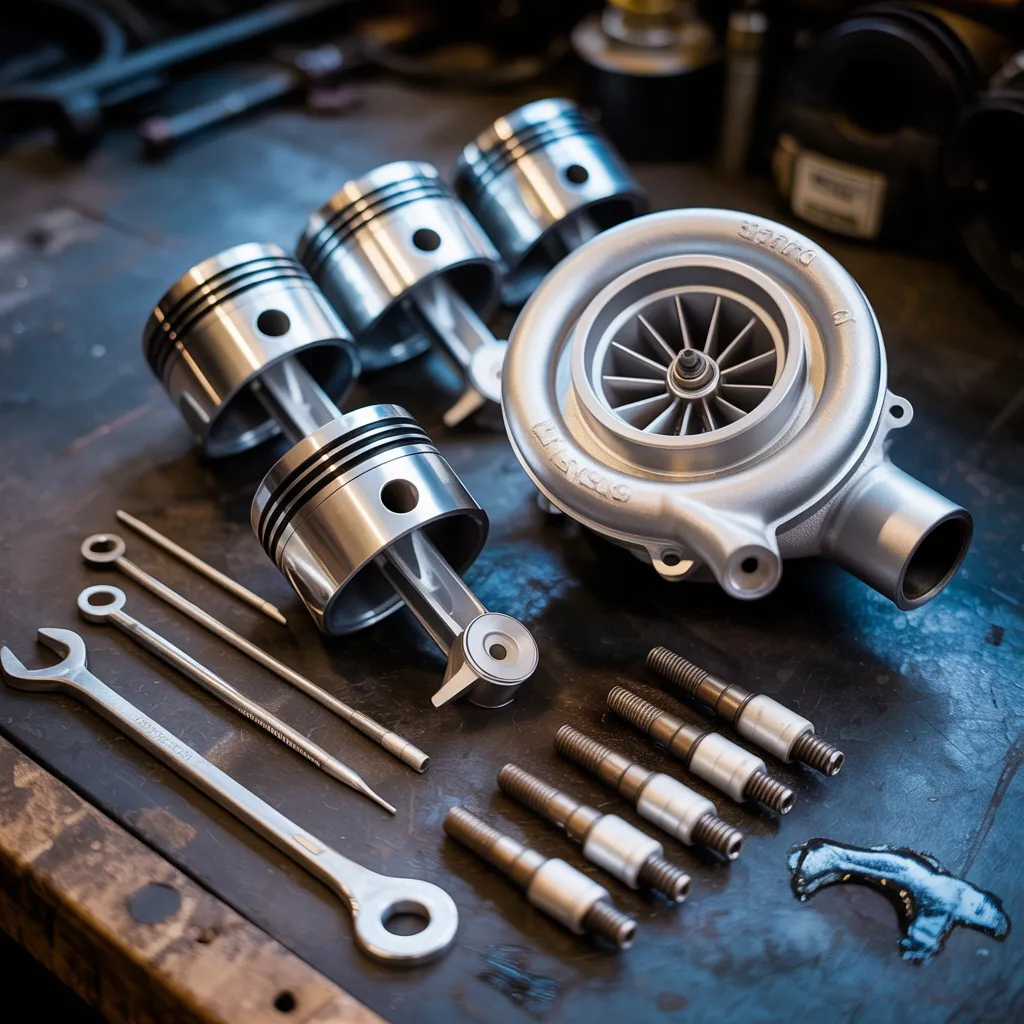
Must-Have Engine Upgrades for Your Jetta 4
When considering critical performance modifications for the Jetta 4, car owners often prioritize modifications that optimize output and effectiveness. A widely favored enhancement is the addition of a upgraded air induction system. This modification increases air delivery to the motor, allowing it to breathe better and enhancing throttle sensitivity. Moreover, fitting a high-performance exhaust enhances exhaust flow, which can lead to increased horsepower and torque.
One more significant enhancement is the ECU chip tuning, which optimizes fuel maps and ignition timing for enhanced performance. This modification can significantly improve overall drivability and acceleration. Installing a larger intercooler is also beneficial, particularly for turbocharged models, as it assists in keeping intake temperatures low and boosts efficiency. Finally, installing a lightweight flywheel can decrease rotational weight, allowing for quicker engine revs and better performance. Together, these upgrades lay a strong foundation for a stronger and more efficient Jetta 4 engine.
Picking the Right Performance Parts for Your Jetta 4
When upgrading a Jetta 4 vehicle engine, selecting the right performance parts is vital for achieving ideal results. Understanding the essential performance components can significantly improve engine performance and output. This article will cover key upgrades that can transform the driving experience.
Engine Upgrade Guide
Improving the engine of a Jetta 4 can significantly enhance its driving experience and performance. Selecting the right upgrade components is essential for attaining the expected improvements. Possible modifications feature turbochargers, high-flow air intakes, and performance exhaust systems, each contributing to increased horsepower and torque. Additionally, refining engine management software can refine fuel delivery and ignition timing, increasingly improving performance. When considering upgrades, it is necessary to assess compatibility with existing components and driving preferences. Exploring well-known manufacturers and collecting user reviews can assist with informed decisions. At the conclusion, a carefully considered engine upgrade strategy can produce significant improvements in acceleration, efficiency, and overall driving enjoyment. Thoughtful choices ensure that enhancements correspond to individual goals for the Jetta 4.
Critical Performance Components
Choosing the appropriate upgrade components for a Jetta 4 is important to reaching optimal enhancements in power and efficiency. Key upgrades include a high-performance air intake system, which increases airflow and optimizes engine breathing. Coupled with a high-performance exhaust system, this setup can significantly reduce back pressure, enabling improved exhaust flow and greater horsepower. Upgrading an upgraded intercooler supports ideal air temperatures, further boosting performance. Additionally, a tuned engine control unit (ECU) can optimize ignition timing and fuel delivery for increased power output. Finally, considering enhanced suspension components, such as high-performance shocks and springs, improves overall handling and stability, ensuring that the Jetta 4 can effectively utilize its increased power on the road.
Exhaust Systems: Choosing the Best for Sound and Power
While many car enthusiasts prioritize performance, the decision of an exhaust system can heavily affect both sound and power in a Jetta 4. Upgrading to a high-performance exhaust can enhance engine efficiency by minimizing exhaust back pressure, enabling better airflow. This increase in airflow not only increases horsepower but also produces a more assertive engine sound that many drivers seek.
When picking out an exhaust system, available options include headers, cat-back systems, and axle-back systems. Each one provides distinct benefits and sound characteristics, from deep, throaty growls to high-pitched screams. The choice of material also plays an important role; stainless steel remains the preferred option due to its durability and anti-corrosion properties.
In the end, the optimal exhaust system harmonizes sound and performance, accentuating the Jetta 4's features while meeting the driver's individual needs. Thoughtful assessment of these aspects ensures a fulfilling upgrade that improves both driving experience and vehicle appeal.
Turbocharging vs. Supercharging for Your Jetta
When exploring how to substantially improve the performance of a Jetta 4, performance seekers often compare the advantages of turbocharging versus supercharging. Turbocharging leverages spent exhaust gases to rotate a turbine, pressurizing the air fed into the engine, which amplifies engine power without substantially adding to engine displacement. This approach frequently delivers greater fuel economy and decreased emissions, making it a preferred selection among automotive tuners.
In contrast, a supercharger directly draws power directly from the engine's crankshaft, offering instantaneous boost. This leads to immediate throttle response and steady power delivery throughout the full RPM band. However, superchargers can decrease the engine's overall efficiency as a result of parasitic power loss.
At the end of the day, the choice between turbocharging and supercharging depends on the driver's preferences. Turbochargers tend to attract drivers who prioritize efficiency and maximum power, while superchargers draw in drivers who crave instant throttle response. Each option has distinct advantages, allowing Jetta 4 owners to tailor their vehicles to specific driving styles.
How to Enhance Your Jetta's Performance Using ECU Remapping
Fine-tuning a Jetta's performance through ECU remapping can significantly improve horsepower and torque. This procedure includes modifying the engine control unit's software to improve ignition timing, fuel delivery, and boost pressure. By recalibrating these parameters, drivers can experience better acceleration and improved overall performance.
Before proceeding, it is crucial to choose a trusted tuning expert or utilize dependable software specifically designed for Jetta vehicles. Each car may require specific adjustments according to its alterations and planned use.
In addition, data logging during test drives can deliver meaningful insights, allowing for further refinements in the tuning process.
Once the remapping has been completed, drivers should conduct thorough evaluations to verify that the improvements in performance do not undermine engine dependability. This cautious method ensures that the Jetta provides an optimal combination of performance and fuel economy, maximizing the potential of the upgraded engine without sacrificing longevity.
Maintenance Advice for Your Modified Jetta 4 Performance
Consistent maintenance plays a vital role in enhancing the overall performance of a modified Jetta 4. Proprietors ought to focus on consistent oil changes, utilizing premium synthetic oil to ensure maximum engine lubrication and operational efficiency. Routinely checking and changing air filters is essential, as a clean filter promotes better airflow and enhances engine performance.
In addition, keeping tire pressure and alignment at optimal levels results in enhanced handling performance and fuel economy. Monitoring and changing spark plugs at suggested intervals also helps improve ignition efficiency, thereby influencing driving performance.
It is essential to monitor the vehicle's coolant capacity and verify the cooling system is working effectively to avoid engine overheating. Periodic checks of the braking system and suspension elements are essential for optimal safety and performance.
Lastly, utilizing high-performance fuel can optimize engine performance, particularly subsequent to notable upgrades. By adhering to these service recommendations, Jetta 4 operators can enjoy continued performance from their modified vehicles.
Common Questions and Answers
What Does It Cost on Average to Upgrade a Jetta 4 Engine?
The typical cost of upgrading a Jetta 4 engine generally falls from $1,500 to $5,000, influenced by the specific modifications, components selected, and work involved, highlighting varying performance objectives and personal preferences.
Should I Attempt Upgrades Myself, or Is It Better to Hire a Professional?
Upgrades can be done by yourself if the operator maintains adequate skills and the necessary tools. Nevertheless, consulting a professional is suggested for anyone without sufficient experience, securing the most favorable outcomes and minimizing the risk of errors in the course of helpful guide the work.
How Do Upgrades Impact My Jetta's Warranty
Modifications could invalidate a Jetta's factory warranty, most notably if they impact critical engine parts. It is crucial for vehicle owners to thoroughly read warranty documentation and reach out to dealerships to clarify which modifications may affect their warranty coverage.
Which Mistakes Are Most Important to Avoid During Engine Upgrades?
Frequent errors during engine upgrades include disregarding compatibility requirements, undervaluing the complexity of installation, failing to account for required supplementary modifications, neglecting to source dependable components, and ignoring tuning requirements. These oversights can cause diminished performance and risk serious engine damage.
How Do I Confirm That My Upgrades Are Street Legal?
To guarantee enhancements remain road compliant, one must review regional requirements, choose approved components, obtain necessary permits, and seek expert guidance. Routine checkups are beneficial in helping to copyright conformity to environmental and safety regulations.
Key Takeaways
Overall, improving the Jetta 4 engine offers a road to greater performance and an exhilarating driving experience. By thoughtfully integrating key upgrades—such as better air intake, upgraded exhaust systems, and precision engine tuning—drivers can achieve significant power and efficiency gains. Careful selection of quality parts and regular maintenance additionally ensures that these upgrades deliver dependable performance. In the end, a thoroughly modified Jetta 4 not only delivers a thrilling driving experience but also demonstrates lasting reliability on the road.