Custom Engine Tuning Services for Optimal Performance and Efficiency
Custom engine tuning services have gained attention for their ability to improve vehicle efficiency and performance. By customizing modifications to specific engine configurations and operating environments, these solutions provide significant benefits. Sophisticated testing equipment enable for precise modifications, which can lead in improved horsepower and fuel economy. However, misunderstandings about engine tuning remain. Investigating the nuances of these services reveals both obstacles and opportunities for drivers pursuing peak performance. What else might be influencing this changing landscape?
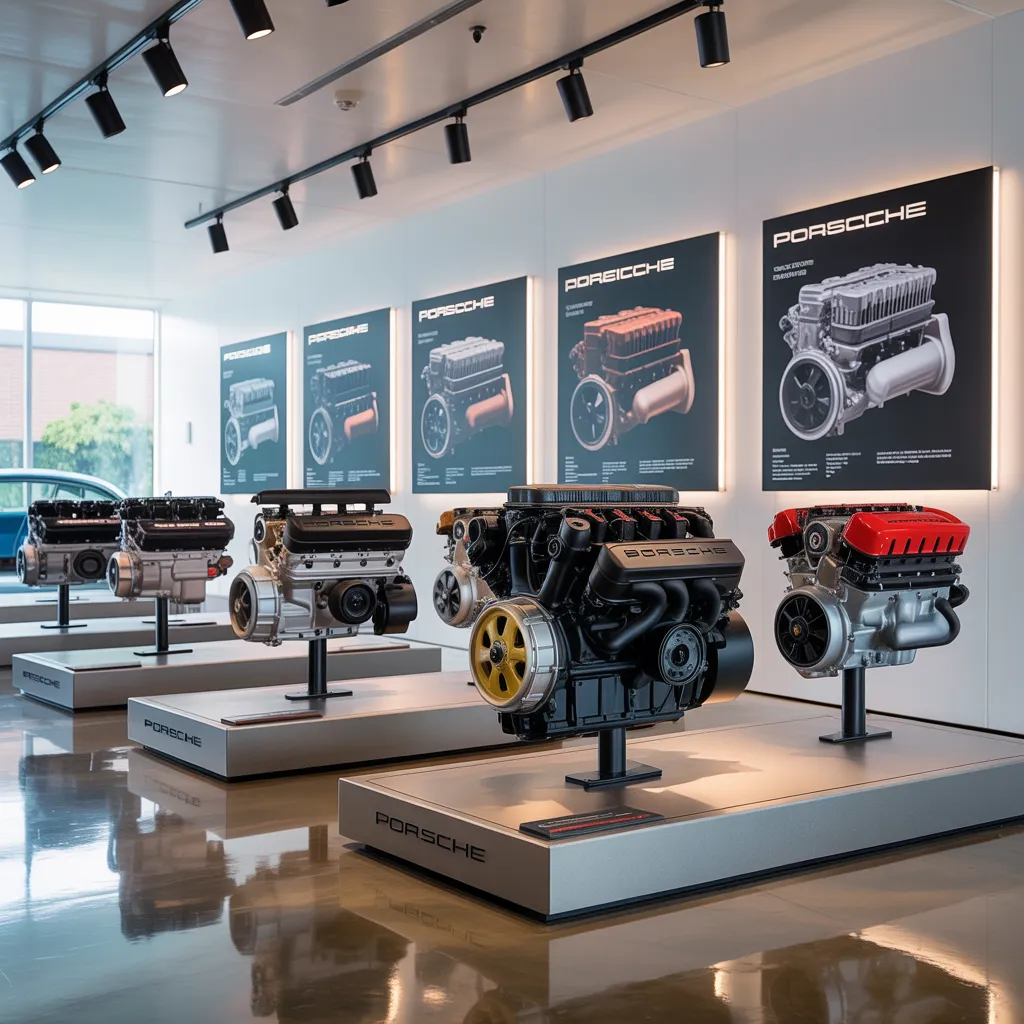
Important Information About Custom Engine Tuning
What factors contribute to the efficiency of custom engine tuning? The exactness of the tuning process depends on several essential elements, including the vehicle's specific engine type, modifications, and intended use. A extensive understanding of the engine's dynamics allows for customized adjustments that boost performance metrics such as throttle response and fuel efficiency. Additionally, utilizing advanced diagnostic tools ensures accurate data collection, enabling the tuner to make informed decisions.
Environmental considerations, such as altitude and climate, also play a major impact; tuning must account for these factors to enhance engine performance under varying conditions. Furthermore, the skill and knowledge of the tuner influence the outcome, as experienced technicians can manage complex systems and attain desired results. Finally, regular updates and maintenance of tuning software can guarantee the engine continues to perform effectively as technology and driving conditions evolve.
Optimal Power Advantages From Bespoke Engine Tuning
Tapping into the full potential of a vehicle through specialized motor tuning yields significant performance gains that can transform the driving experience. Elevated horsepower and torque are among the most outstanding improvements, allowing for quicker acceleration and a more intense drive. Specialized adjustment fine-tunes the air-fuel mixture and ignition timing, which not only boosts power but also strengthens throttle response, making the vehicle feel more dynamic and responsive.
Furthermore, custom engine mapping can optimize overall drivability, adapting the engine's characteristics to specific driving styles, whether for routine commuting or high-performance racing. Better engine optimization means more seamless transitions and improved driving capability under various conditions.
In conclusion, specialized engine tuning enables operators to enjoy their rides in a different perspective, revealing potentials that standard factory settings may not furnish. This customized framework can create a more engaging and enjoyable driving experience, realizing the expectations of performance-oriented drivers.
How Custom Engine Tuning Boosts Fuel Efficiency
Custom engine tuning alters a vehicle's fuel efficiency by fine-tuning critical factors like air-fuel ratios and ignition timing. By recalibrating these settings, the engine can achieve a more efficient combustion process. This leads to a decrease in unburned fuel, effectively increasing the energy extracted from each drop of gasoline or diesel.
In addition, personalized tuning allows for adjustments tailored to driving conditions and individual performance needs. This suggests that vehicles can work more efficiently under various loads and speeds, further enhancing fuel economy. Furthermore, a well-tuned engine can respond more promptly to throttle input, decreasing the need for excessive acceleration, which often wastes fuel.
Refuting Widespread Falsehoods Related to Engine Modification
What causes the common misconception about engine tuning to persist despite its benefits? Plenty of vehicle owners mistakenly assume that tuning applies only to high-performance racing applications, missing the advantages it offers regular motorists. Yet another frequent misconception suggests that engine tuning leads inevitably diminished reliability. In fact, when properly executed, tuning can enhance both performance and lifespan by adjusting engine parameters. What's more, some information individuals fear that tuning will void their vehicle's warranty; nevertheless, many manufacturers authorize modifications provided they comply with established guidelines. In the end, the assumption that all tuning solutions are generic ignores the significance of tailored tuning, which adjusts modifications to match individual vehicle specifications. By tackling these misconceptions, car enthusiasts and owners can decide wisely about engine tuning, ultimately boosting their vehicle's performance and efficiency.
Finding the Perfect Optimization Solution for Your Ride
Choosing the right tuning approach requires meticulous consideration of diverse factors. Key aspects include examining vehicle specifications, understanding different engine types, and aligning performance goals with the wanted outcomes. Each of these elements plays an vital role in determining the most effective tuning approach for ideal results.
Examining Vehicle Details
Conducting a detailed assessment of vehicle characteristics is essential for determining the best tuning solution. This method involves assessing key aspects such as engine type, power output, torque specs, and fuel system design. Each vehicle has unique traits that affect performance, demanding a personalized approach to tuning. For example, sports cars may enhance from aggressive tuning strategies to improve speed and responsiveness, whereas trucks might value improved torque for towing. Furthermore, understanding the vehicle's intended use—whether daily driving, racing, or off-roading—further sharpens the tuning strategy. Through careful assessment of these specifications, tuners can identify the most effective modifications, delivering optimal performance, efficiency, and longevity while matching the driver's goals and preferences.
Grasping Engine Types
Knowing the various engine types greatly impacts the tuning solutions available for a vehicle. Different engine types, such as naturally aspirated, turbocharged, and supercharged, each present unique characteristics and requirements. Naturally aspirated engines depend upon atmospheric pressure, making tuning focused on optimizing air-fuel ratios and ignition timing. Turbocharged engines benefit from enhanced airflow, allowing for adjustments in boost levels and fuel mapping. Supercharged engines, which compress air before it enters the combustion chamber, demand careful tuning to manage increased power without compromising reliability. Additionally, engine configurations, such as inline, V-type, or rotary, further influence the tuning approach. Recognizing these distinctions guarantees that vehicle owners choose appropriate tuning solutions tailored to their specific engine type, maximizing performance and efficiency.
Performance Goals Alignment
When aligning performance goals with the right tuning option, vehicle owners must first evaluate their desired outcomes, whether that involves increased horsepower, improved fuel efficiency, or enhanced throttle response. Comprehending these aims enables a more focused approach to tuning. For instance, those emphasizing speed may choose a solution that maximizes horsepower, while environmentally aware drivers might pursue improvements in fuel efficiency. Additionally, driving enthusiasts might desire a tuning solution that sharpens throttle response for a more engaging driving experience. It is crucial to consider factors such as engine type, driving conditions, and long-term goals. By precisely outlining performance aspirations, vehicle owners can select a tuning option that aligns perfectly with their needs and optimizes overall engine performance.
Developing Advancements in Personalized Engine Performance Enhancement
Custom engine tuning is experiencing a rapid shift, driven by advancements in technology and evolving consumer preferences. One significant trend is the integration of artificial intelligence and ML algorithms, enabling tuners to create highly personalized maps that enhance performance and efficiency based on live data. Additionally, the rise of electric and hybrid vehicles has prompted tuners to explore fresh opportunities, concentrating on battery management and power regeneration systems.
A further important shift is the increasing prevalence of app-based tuning solutions, enabling drivers to configure engine specs remotely via smartphone tools. This convenience reflects a broader consumer preference for user-friendliness and customization. Moreover, governmental mandates for pollutant control have led to the design of eco-friendly optimization alternatives that enhance performance while curtailing environmental footprint. As these movements advance, the custom engine tuning landscape will doubtless become more sophisticated, catering to a multifaceted selection of power and efficiency considerations.
Routinely Asked Questions
How much time Does the Custom Engine Tuning Process Take?
Engine tuning customization typically takes between one to three hours, depending on various factors including the vehicle type, desired modifications, and the technician's expertise. Proper tuning delivers peak performance and efficiency.
Will Tuning Eliminate My Vehicle's Warranty?
Tuning may nullify certain components of a vehicle's warranty, especially if the alterations result in a failure. However, the general protection often remains intact unless clearly outlined in the manufacturer's terms and conditions.
Is it able to go back to the original options After modification?
Yes, reverting to original settings after tuning is generally possible. Most tuning solutions allow users to restore factory settings, ensuring that the vehicle can return to its original performance and performance levels if needed.
Which Tools Are Required for Custom Engine Tuning?
Effective custom engine tuning requires specific tools, like an engine management system, diagnostic software, a laptop or tablet for data analysis, a wideband O2 sensor for air-fuel mixture monitoring, and various tuning cables for vehicle connectivity.
How Often Should I Think About Re-Tuning My Engine?
Engine re-tuning should be considered every 10,000 to 15,000 miles, or after significant modifications, service work, or performance issues develop. Periodic evaluations guarantee peak performance and address any changes in driving conditions or vehicle usage.